
More Than Workouts: Why Student-Athletes Need a Holistic Approach to Success

When most people think about developing a successful football player, they think about strength training, speed work, position drills, and game performance.
Those things matter.
But after years of navigating youth and high school sports as a football mom, I've learned that athletic success is about much more than what happens during practice or in the weight room.
The strongest, healthiest, and most successful athletes are developed through a holistic approach—one that prioritizes training, safety, recovery, nutrition, mental well-being, academics, and balance.
And while coaches, trainers, and teammates all play important roles, there is one group that often doesn't receive enough credit:
Parents.
Especially moms.
Football Is Demanding on the Body
Football is one of the most physically demanding sports a young athlete can play.
Players are expected to be strong, explosive, fast, agile, and resilient. Their bodies are constantly adapting to growth, physical stress, and competition.
As parents, it's easy to focus on performance goals:
Getting stronger
Running faster
Gaining size
Improving skills
Earning playing time
Attracting recruiting attention
But sometimes the pursuit of improvement causes us to overlook the fundamentals that make long-term success possible.
Athletes don't improve during training.
They improve during recovery.
Safety Must Come First
As a former Fire Chief, I've spent much of my career helping people through emergencies and traumatic injuries.
Because of that experience, I was initially hesitant about football.
Like many parents, I worried about injuries, especially head and neck injuries.
Those concerns never completely disappear.
However, I learned that one of the best ways to reduce injury risk is through proper preparation.
That includes:
Qualified coaching
Proper tackling techniques
Strength development
Mobility training
Appropriate equipment
Recovery practices
Open communication about injuries
One of the most important lessons I've learned is that athletes should never feel pressured to "tough it out" when they are injured.
A short-term decision to ignore pain can create long-term consequences.
Parents play a critical role in advocating for their athlete's health and safety.
Stretching and Mobility Are Not Optional
Many young athletes are willing to spend hours lifting weights but don't want to spend ten minutes stretching.
Unfortunately, flexibility and mobility are often treated as afterthoughts.
Mobility training helps athletes:
Improve movement efficiency
Reduce injury risk
Increase athletic performance
Recover more effectively
Maintain long-term physical health
Football places significant demands on joints, muscles, and connective tissue.
Regular stretching and mobility work should be viewed as part of training—not separate from it.
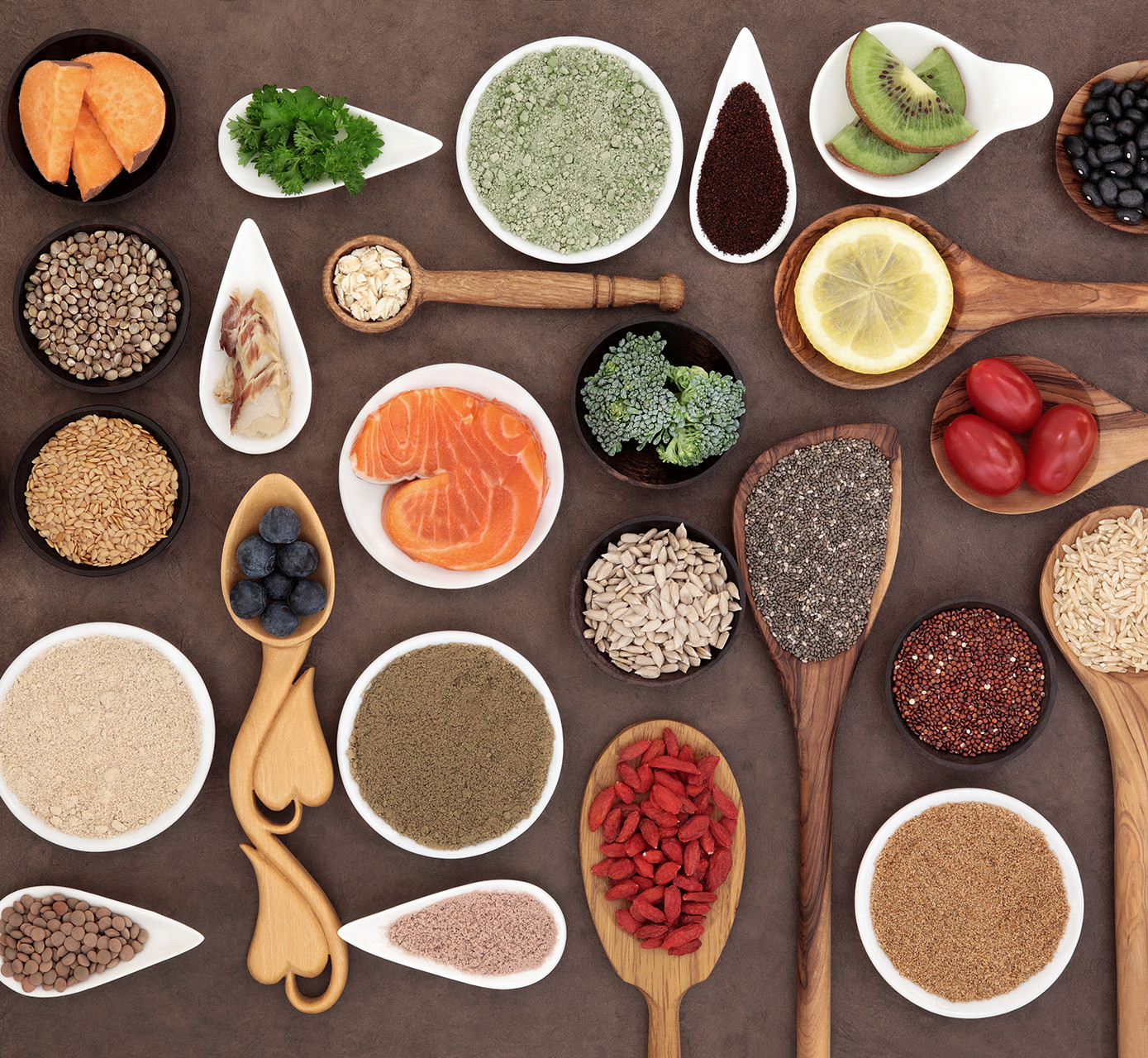
Nutrition Is a Competitive Advantage
It's impossible to out-train poor nutrition.
Athletes are asking their bodies to perform at a high level while still growing and developing.
Fuel matters.
Hydration matters.
Sleep matters.
Recovery matters.
Parents often become the nutrition coordinators of the household, helping athletes make better decisions about:
Protein intake
Hydration
Recovery nutrition
Healthy snacks
Balanced meals
Sleep habits
Perfect nutrition isn't the goal.
Consistency is.
Small daily choices compound over time and can significantly impact performance, recovery, and overall health.
Rest Is Productive
One of the biggest misconceptions in youth sports is that more is always better.
More camps.
More practices.
More lifting.
More competitions.
More exposure.
But growth requires recovery.
Physical recovery allows muscles to rebuild.
Mental recovery allows athletes to recharge.
Emotional recovery helps prevent burnout.
Athletes need time to be kids.
They need time with friends.
Time with family.
Time away from sports.
Time to simply enjoy life.
The best athletes are often those who learn how to balance ambition with recovery.
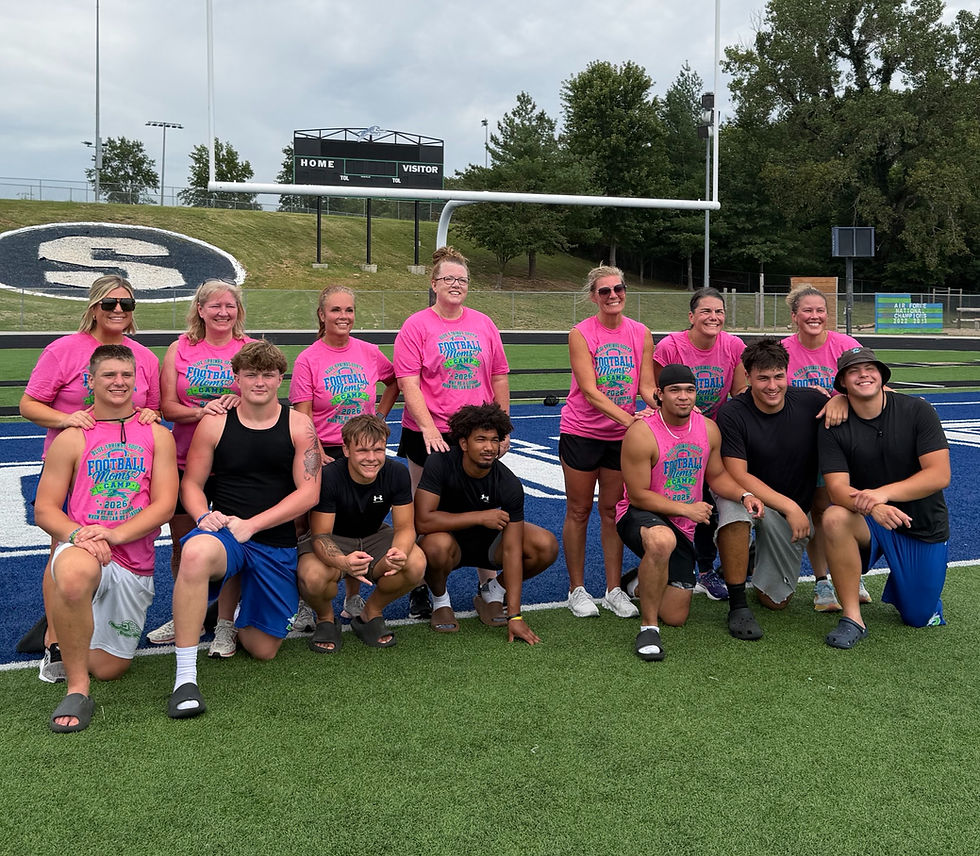
The Parent's Role Matters More Than You Think
I've heard it before.
"You're just a mom."
Many parents have.
Sometimes there is an assumption that coaches, trainers, or recruiters are the only people who truly understand an athlete's development.
I disagree.
No one spends more time observing an athlete than their family.
Parents see:
Energy levels
Motivation
Confidence
Stress
Fatigue
Academic pressures
Emotional struggles
Physical changes
Parents often notice issues long before anyone else.
That perspective is valuable.
Parents are not simply chauffeurs, schedulers, and sideline spectators.
They are advocates.
Support systems.
Teachers.
Encouragers.
Protectors.
And often the glue holding everything together.
Success Is Bigger Than Sports
Every parent wants to see their child succeed.
I certainly want that for my son.
I hope football opens doors for him.
I hope it creates opportunities.
I hope it helps him attend college and pursue his dreams.
But I also know something important:
Football eventually ends.
The lessons remain.
The character remains.
The discipline remains.
The friendships remain.
The education remains.
Our responsibility as parents is not simply to help our children become better athletes.
It's to help them become healthy, capable, resilient adults.
That requires a holistic approach that values the whole person—not just the player.
The Goal
At Cleats & Coffee, we believe supporting student-athletes means looking beyond the scoreboard.
It means prioritizing health, safety, development, education, recovery, relationships, and personal growth.
Because the goal isn't simply to create better football players.
The goal is to help develop stronger, healthier, and more successful young people who are prepared for whatever comes next.
And that journey starts long before kickoff.

Comments